=eptide therapy uses short chains of amino acids—peptides—to nudge specific biological processes, such as tissue repair, metabolic regulation, or hormone signaling. Because peptides are fragments of proteins your body already recognizes, they can act like precise “keys,” binding to receptors and triggering targeted effects. In practice, clinicians select specific peptides to support a goal, from post-workout recovery to improved sleep quality. Some peptides are naturally occurring analogs; others are designed to be more stable or selective than their native counterparts. The approach is personalized, meaning protocols vary by health history, lab data, and the outcomes a person is trying to achieve.
What is Peptide Therapy? How It Works at the Cellular Level
At a cellular level, peptides function as messengers that carry instructions to receptors on cell surfaces. When the right peptide binds, it can activate pathways that influence growth, inflammation, metabolism, or neurotransmission. The result is less about “overpowering” the body and more about restoring or enhancing signals that already exist, which is why many protocols emphasize physiologic doses rather than aggressive escalation.
Signaling, Not Forcing
Peptides ask cells to act; they don’t bulldoze them. That’s why responses can be smoother and more targeted.
Receptor Specificity
Because a peptide targets specific receptors, its effects may be narrower than those of broad-spectrum drugs, which can reduce collateral side effects.
What is Peptide Therapy? Types You’ll Hear About Most
The peptide landscape is diverse, and different classes align with different aims. Growth hormone secretagogues are often selected to support lean body composition, recovery, and sleep. Collagen-supporting peptides may target skin quality or joint comfort, while vascular or neurotrophic options are explored for improved circulation and cognitive focus. The key is matching the mechanism to the objective, then layering the peptide within a broader plan that includes nutrition, training, and sleep.
Metabolic & Body Composition Support
These options focus on appetite signaling, insulin sensitivity, and fat mobilization, often alongside strength training and protein intake.
Repair & Recovery
Some peptides are chosen for soft-tissue support, aiding post-workout muscle repair or soothing overused joints and tendons.
Skin, Hair & Collagen
By influencing collagen synthesis and dermal hydration, select peptides can complement routine skincare or procedures.
Potential Benefits and Realistic Expectations of Peptide Therapy
Enthusiasts often seek better recovery, improved sleep architecture, steadier energy, or help with stubborn body-composition plateaus. When used thoughtfully, protocols may help people train more consistently, bounce back faster between sessions, and experience fewer overuse aches. Still, expectations must stay grounded: peptides are not magic, and results depend heavily on the basics—protein targets, progressive resistance training, circadian-friendly sleep, hydration, and stress management. Most outcomes are gradual, accumulating over weeks to months, and the most durable wins come from pairing the right peptide with consistent lifestyle habits.
What are Some Safety Tips and Side Effects of Peptide Therapy?
Safety hinges on product quality, clinical screening, and appropriate dosing. Potential side effects vary by peptide and may include localized injection irritation, transient water retention, shifts in appetite, or vivid dreams. People with certain cancers, uncontrolled metabolic disorders, active infections, or pregnancy should generally avoid these compounds unless specifically cleared by a qualified clinician. Baseline labs, periodic monitoring, and clear stop rules help manage risk, while reputable compounding sources reduce concerns about contamination or mislabeling.
What Forms Does Peptide Therapy Come In?
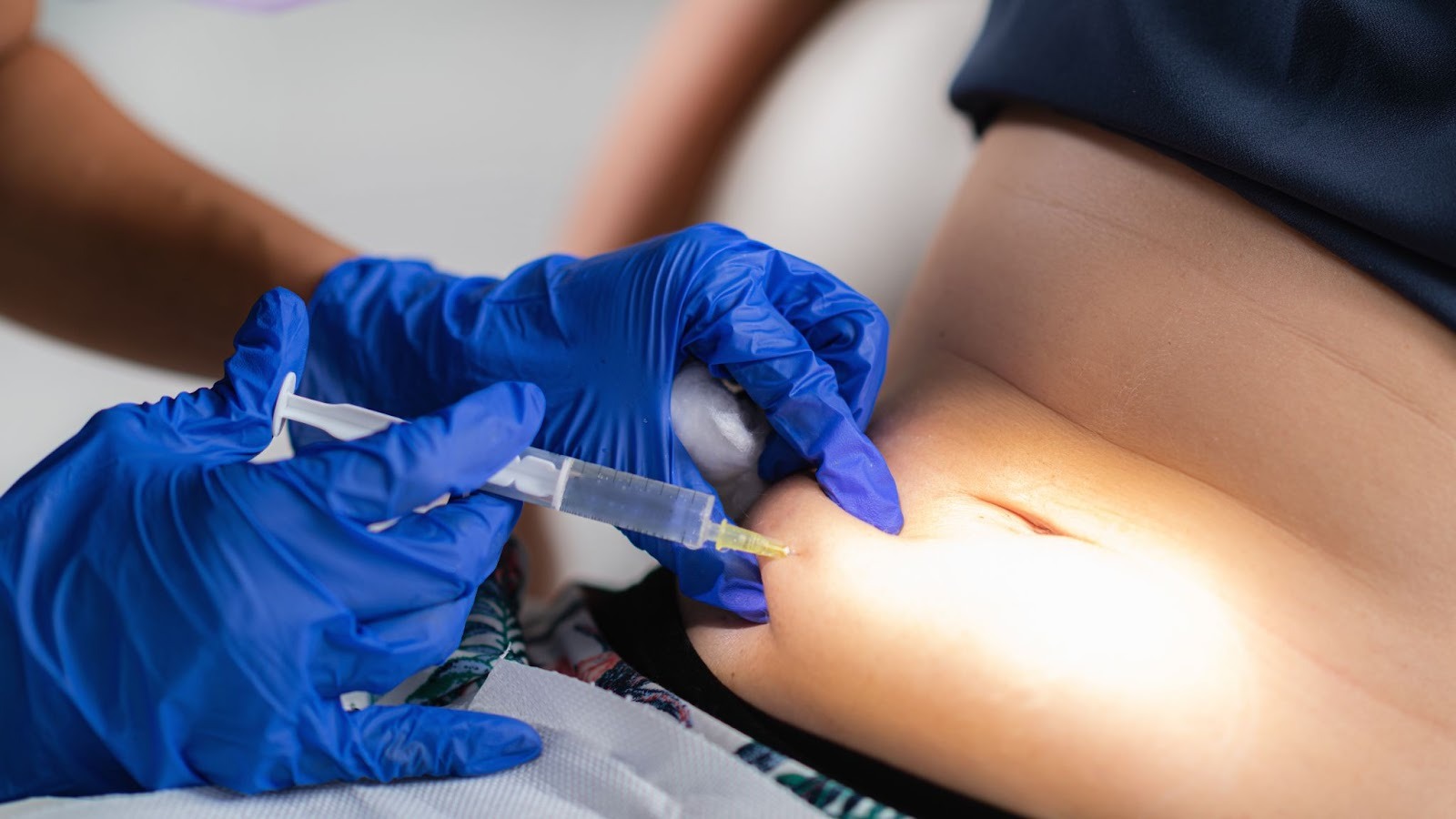
Most therapeutic peptides are fragile and would be digested if taken orally, which is why they are administered as tiny subcutaneous injections. Some formulations are available as oral capsules, troches, or nasal sprays, when chemistry allows, but bioavailability can vary significantly. Dosing is usually cycled—think of on-periods and off-periods—to maintain responsiveness and minimize adaptation. Tracking sleep, training logs, body composition, and subjective recovery helps fine-tune timing and cumulative exposure to ensure optimal performance.
Subcutaneous Injections
A tiny insulin-style needle placed in the fatty layer delivers predictable absorption with minimal discomfort.
Oral, Nasal, or Topical
Convenient when viable, but not every peptide survives digestion or skin barriers; effectiveness varies by molecule.
How Peptide Therapy Differs From Traditional Hormone Therapy
Traditional hormone therapy replaces or supplements hormones directly—testosterone, thyroid hormone, or growth hormone—often producing broad systemic effects. Peptides, by contrast, tend to influence upstream signaling that encourages your body to adjust its own output. That can feel more “physiologic,” but it can also mean gentler, slower changes that rely on intact feedback loops. For many, the ideal plan blends conservative hormone optimization (if clinically indicated) with peptide-based signals and strong lifestyle fundamentals.

Who Might Consider Peptide Therapy?
Interest often comes from people who train regularly yet feel stuck between recovery and progress. Others include those returning to fitness after an injury, individuals aiming to support skin or joint health, or professionals seeking steadier energy and sharper focus during long work weeks. In each case, a careful intake assesses sleep quality, stress load, nutrition patterns, medications, and labs to ensure the potential benefits outweigh risks and that non-pharmaceutical levers are already in motion.
Athletes & Active Adults
Recovering faster between sessions can allow more high-quality training without tipping into overuse.
Busy Professionals
Support for sleep and cognitive stamina may translate into better consistency and decision-making.
Healthy Aging
Gentle signals around tissue repair, body composition, and vitality can complement strength training.
The Evidence and Regulatory Landscape of Peptide Therapy
The evidence base ranges from robust to early-stage, depending on the specific peptide and indication. Some are well-characterized in focused domains; others have promising mechanisms and case-series support but need larger, longer trials. Regulatory status also varies by region and by molecule, so availability may differ, and labeling can shift as new data emerge. This is why medical supervision, transparent sourcing, and ongoing monitoring are essential; they ensure protocols evolve with the science rather than leaning on hype.
How to Choose a Qualified Clinic for Peptide Therapy
A credible clinic will start with a detailed health history, gather appropriate labs, and discuss realistic timelines. They’ll source from reputable compounding pharmacies that provide certificates of analysis, sterility assurance, and consistent potency. Clear instructions about handling, storage, and injection technique should accompany each prescription. You should also leave with a monitoring plan—what to track, when to recheck labs, and which symptoms warrant pausing or adjusting the protocol.
Compounding Pharmacy Standards
Look for sterility testing, endotoxin screening, and potency verification on each lot dispensed.
Monitoring & Follow-Up
Regular check-ins and data tracking keep your plan responsive and safe over time.
What to Expect at Your Peptide Therapy First Appointment
Your visit typically includes a review of goals, training routines, sleep, and nutrition, followed by targeted labs to rule out underlying issues. If a peptide is appropriate, you’ll receive education on storage, self-administration if injections are used, and what early responses might feel like. Many providers start conservatively, testing tolerance before stepping toward the intended dose. Expect an emphasis on sleep hygiene, protein intake, and strength training because these levers dramatically influence outcomes.
What Costs Are Associated with Peptide Therapy?
Costs vary by peptide, formulation, and cycle length, with many plans structured in one- to three-month blocks. Insurance coverage is inconsistent because some peptides are considered adjunctive or compounded and not part of standard formularies. When weighing value, factor in the program as a whole—coaching, lab monitoring, and lifestyle guidance—not solely the vial price. The best return usually appears when the protocol unlocks consistency in training and recovery that you can actually sustain.
Typical Ranges
Programs often resemble a monthly membership, with additional costs for labs and pharmacy fills.
Coverage Realities
Expect to pay out of pocket in many cases; confirm benefits before starting to avoid any surprises.
What Habits Amplify Peptide Therapy Results?
Nothing improves peptide outcomes like nailing the basics. Adequate protein, spread throughout the day, provides the building blocks for muscle and connective tissue. Resistance training signals where those building blocks should go, while sleep consolidates the adaptations. Stress management and hydration keep recovery on track, and micronutrient-rich foods supply cofactors for enzymatic processes. Treating the peptide as a catalyst—rather than a replacement for fundamentals—frames expectations appropriately.
Prioritize Sleep
Aim for consistent bed and wake times; recovery hormones follow your circadian rhythm.
Lift Weights
Progressive resistance is the strongest signal for favorable body-composition change.
Hit Protein Targets
Distribute protein across meals to support muscle protein synthesis throughout the day.
Practical Tips for Getting Started on Peptide Therapy
Begin with a conversation about goals you can quantify—sleep hours, training frequency, or recovery scores—so you’ll know if the protocol works. Ask your provider how each peptide’s mechanism maps to your objectives, what side effects to watch for, and how you’ll measure progress. Store and handle products exactly as instructed to preserve potency, and log your responses for the first few weeks. Most importantly, commit to habits that give the peptide something to amplify: training, nutrition, and consistent sleep.
The Bottom Line on Peptide Therapy
Peptide-based protocols can be powerful tools when matched to the right person, objective, and timeframe, but they work best as part of a holistic plan. Selecting a reputable clinic, verifying pharmacy quality, and monitoring outcomes protect your investment and health. Layering in consistent sleep, strength training, and thoughtful nutrition produces the type of progress that actually lasts. If you’ve strengthened the fundamentals and still feel stuck, a supervised trial may provide the extra nudge your biology needs—delivered in a way that complements, rather than replaces, the work you’re already doing.
Visit our EdenCare 360 blog to learn more about peptide therapy and other ways to improve your overall health.