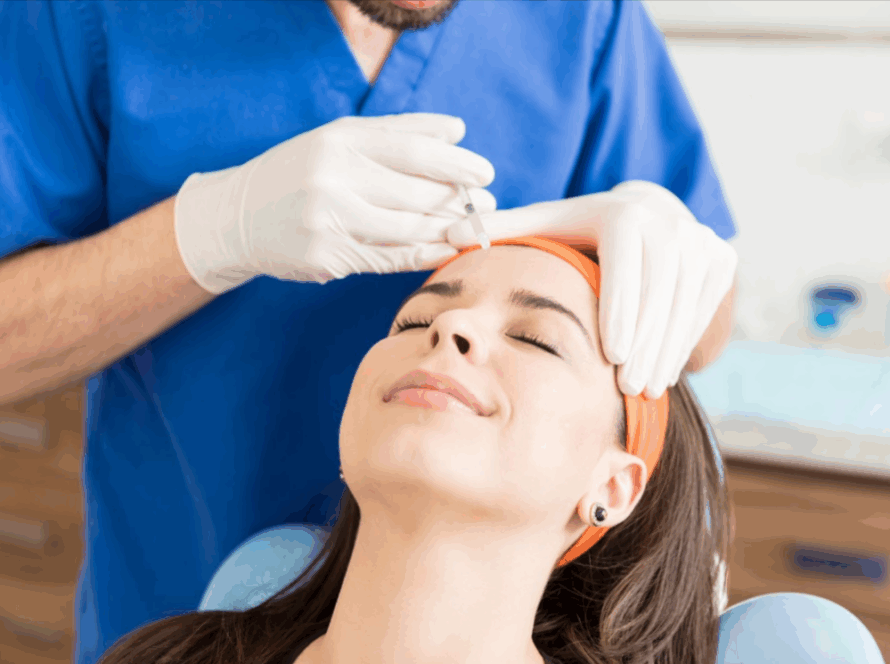
Fatigue, irritability, weight changes, and poor sleep can feel normal until they aren’t. These aren’t just signs of aging or stress; they often point to declining hormone levels. Hormones affect nearly every system in your body, including mood, metabolism, and sexual health. When they shift out of range, everyday life starts to feel harder than it should.
Signs You May Need Hormone Replacement Therapy
Hormone shifts affect more than just your reproductive system; they disrupt mood, focus, energy, and how you present yourself each day. These changes can start subtly, often mistaken for stress or burnout. But when symptoms persist, the cause is usually hormonal, not situational. Recognizing these early signs is the first step toward finding relief through hormone replacement therapy.
Unexplained Fatigue
You may feel drained even after a whole night’s sleep. This exhaustion doesn’t ease with coffee, naps, or relaxation. Hormones such as estrogen, testosterone, and cortisol help regulate how your body produces and utilizes energy. When they fall below optimal levels, your cells struggle to replenish their energy. If you’re constantly tired without a clear cause, it’s worth checking your hormone levels. Ignoring it can lead to worsening brain fog and emotional burnout.
Mood Swings and Anxiety
Sudden irritability, sadness, or panic attacks could mean your hormones are off balance. Estrogen and progesterone influence brain chemicals like serotonin and dopamine. You may feel more reactive, low, or emotionally sensitive when those hormone levels drop. These changes are not just psychological; they’re biochemical. HRT can help stabilize mood by restoring what your brain chemistry is missing. That improves emotional balance and daily resilience.
Hot Flashes and Night Sweats
Sudden heat surges, nighttime sweating, and body chills often indicate declining estrogen levels. These episodes can be embarrassing, disruptive, and uncomfortable. Night sweats can interrupt deep sleep, leading to more fatigue and mood swings. They often begin during perimenopause and increase in frequency without treatment. Estrogen therapy can help reduce these episodes and restore thermal regulation. Many patients report relief within weeks of starting HRT.
Restless Nights
Difficulty falling asleep or waking up multiple times per night is often tied to a hormonal imbalance. Estrogen and progesterone promote deep sleep and relaxation. As these hormones decline, your body may become restless or hyperalert, even when you are tired. You may wake at 3 a.m. and be unable to fall back asleep. Restoring these hormones can help your body reset its natural sleep cycle. Better sleep leads to clearer thinking and a stronger immune system.
Loss of Libido and Intimacy
A sharp decline in sexual interest, physical arousal, or vaginal lubrication could mean your hormones have dropped. Estrogen keeps tissues healthy, while testosterone influences sex drive in all genders. Discomfort during intimacy can reduce confidence and strain relationships. These symptoms aren’t just “normal aging”; they often reflect hormone loss. Bioidentical hormone replacement therapy (BHRT) can address these concerns effectively. Patients typically see a gradual return in sensitivity and interest.
Physical Changes Pointing to Hormone Imbalance
Hormonal issues affect more than just how you feel; they also affect how your body looks, moves, and functions. Many of these changes happen gradually and are easy to dismiss. But if your weight, skin, hair, or strength shifts without explanation, it may be a sign you need hormone replacement therapy. These symptoms often reflect hormonal depletion and deserve medical attention.
Unwanted Weight Gain
Weight creeping up without lifestyle changes could stem from low hormone levels. Estrogen and testosterone both play a role in regulating metabolism and fat storage. When these hormones drop, your body stores more fat, especially around the abdomen. This weight is more challenging to lose through diet and exercise alone. Hormone therapy can support metabolism and reduce stubborn fat retention. It also makes your workouts more effective by improving muscle response.

Brain Fog and Memory Issues
Forgetting words, misplacing items, or struggling to focus isn’t just stress—it’s often linked to hormonal changes. Estrogen supports brain health and mental sharpness. As levels drop, neurotransmitters slow down, and information processing becomes less efficient. You may feel like your thoughts are slower or more challenging to organize. HRT can help restore cognitive clarity by supporting the brain’s natural chemistry. Over time, patients report better focus and memory recall.
Irregular Periods
Inconsistent cycles, skipped months, or sudden changes in flow are often early signs of hormonal disruption. During perimenopause, estrogen and progesterone fluctuate more dramatically, making cycles unpredictable or even disappear. These changes also bring stronger PMS symptoms or spotting between periods. Monitoring your cycle helps detect these shifts earlier. HRT can smooth the hormonal fluctuations and regulate your cycle again.
Hair Thinning and Dry Skin
When estrogen or thyroid hormones drop, your hair may fall out more or grow more slowly. Skin may feel drier, thinner, or more prone to irritation. These physical changes often show up before more noticeable symptoms. Hormone therapy supports skin hydration, elasticity, and the health of hair follicles. Patients usually see improvements in skin texture and hair fullness over time. These aesthetic shifts can also affect confidence and quality of life.
Loss of Muscle Tone and Joint Stiffness
You may notice strength loss, weaker muscle tone, or aching joints even without injury. Testosterone helps maintain muscle mass, while estrogen protects joints and ligaments. A hormonal drop reduces muscle-building efficiency and increases inflammation. That makes exercise feel more difficult and recovery slower. Hormone therapy helps preserve muscle, reduce joint pain, and improve mobility. Over time, you may regain strength and feel more agile.
When Should You Consider Hormone Replacement Therapy?
Hormone replacement therapy isn’t just for extreme cases or full menopause. Many people qualify much earlier but don’t realize it. When symptoms interfere with how you think, work, or rest, it’s time to take them seriously. Talking to a provider can help you regain control before things get worse.
When Symptoms Impact Daily Life
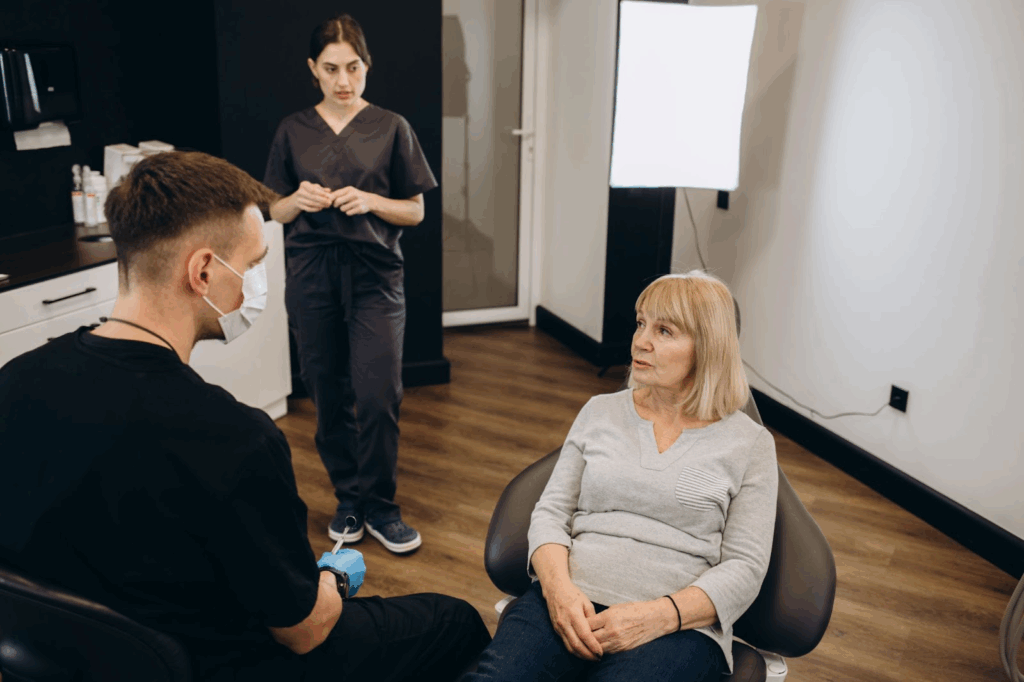
If fatigue, mood swings, or sexual dysfunction begin affecting work, relationships, or emotional stability, it’s time to seek help. Hormonal imbalance often creates a steady decline in quality of life. When basic self-care no longer provides relief, HRT becomes a practical and effective solution. A medical provider can assess your symptoms, run necessary laboratory tests, and recommend a personalized treatment plan. Delaying care can lead to more severe symptoms down the line. Starting earlier improves long-term outcomes.
Persistent Symptoms Despite Healthy Habits
If your sleep, energy, or mental focus haven’t improved despite eating clean, exercising, and managing stress, hormones may be the root cause. No amount of supplements or mindset shifts can override low hormone function, especially during perimenopause or andropause. Blood tests and health history offer critical insights into what’s happening internally. Your provider may combine lab results with symptom tracking for the clearest picture. From there, hormone therapy may be recommended.
During Middle-Aged Transitions
Perimenopause typically begins in the mid-40s, though symptoms can start earlier. Testosterone declines gradually in men beginning in their 30s. These natural phases cause wide-ranging symptoms from fatigue to emotional instability. If you’re in this age range and feeling “off,” hormones may be involved. You don’t need to wait until menopause or andropause to seek support. HRT can ease the transition and help you control your health.
What to Expect From Hormone Therapy Treatment
Knowing what to expect can make starting hormone therapy easier. It’s a medical treatment guided by lab results, symptoms, and your personal health goals. With the right care team, it becomes a safe, structured process, not a guessing game. Over time, it can restore balance, energy, and well-being.
Customized Treatment Based on Your Hormone Levels
Your provider creates a plan tailored to your lab results and symptoms. Treatment options include pills, patches, creams, injections, or pellets. Bioidentical hormones are often used for a more natural fit. Doses are adjusted over time based on how your body responds. It ensures you get the right balance without overcorrection. Ongoing testing helps fine-tune your therapy.
Noticeable improvements in Energy, Sleep, and Mood
Most patients begin feeling better within a few weeks. Increased energy, improved focus, and more restful sleep are common first signs. Mood swings often lessen as hormone levels stabilize. Libido and physical comfort also tend to improve gradually. These benefits build with consistent treatment. You’ll likely notice results in both body and mind.
Proper Medical Supervision
Hormone therapy is generally considered low-risk when administered under the guidance of a qualified healthcare provider. Some people experience temporary bloating, acne, or breast tenderness. Risks are higher in people with certain conditions, such as clotting disorders or a history of cancer. That’s why providers review your complete medical history before starting treatment. Routine follow-ups and laboratory tests help detect changes early. Most patients tolerate HRT well when administered under proper supervision.
Consistent Results Build Over Time
HRT isn’t instant, but the results are real. It may take several weeks or months to see full benefits. Most people need dose adjustments early on. Tracking your symptoms makes it easier to fine-tune your plan. Long-term care helps maintain hormone balance as your body changes. With steady treatment, the gains become lasting improvements.
Reclaim Your Life With Hormone Replacement Therapy
Hormone shifts don’t have to control your days, decisions, or identity. When your body sends signals, ignoring them only delays progress. Relief begins with clarity, and that starts with understanding what your symptoms are really saying. If you’re ready to stop guessing and start feeling better, a conversation with a hormone specialist could be the step that changes everything.
Explore the science behind your symptoms. Visit the EdenCare 360 blog for insights that connect the dots between how you feel and what your hormones are doing.