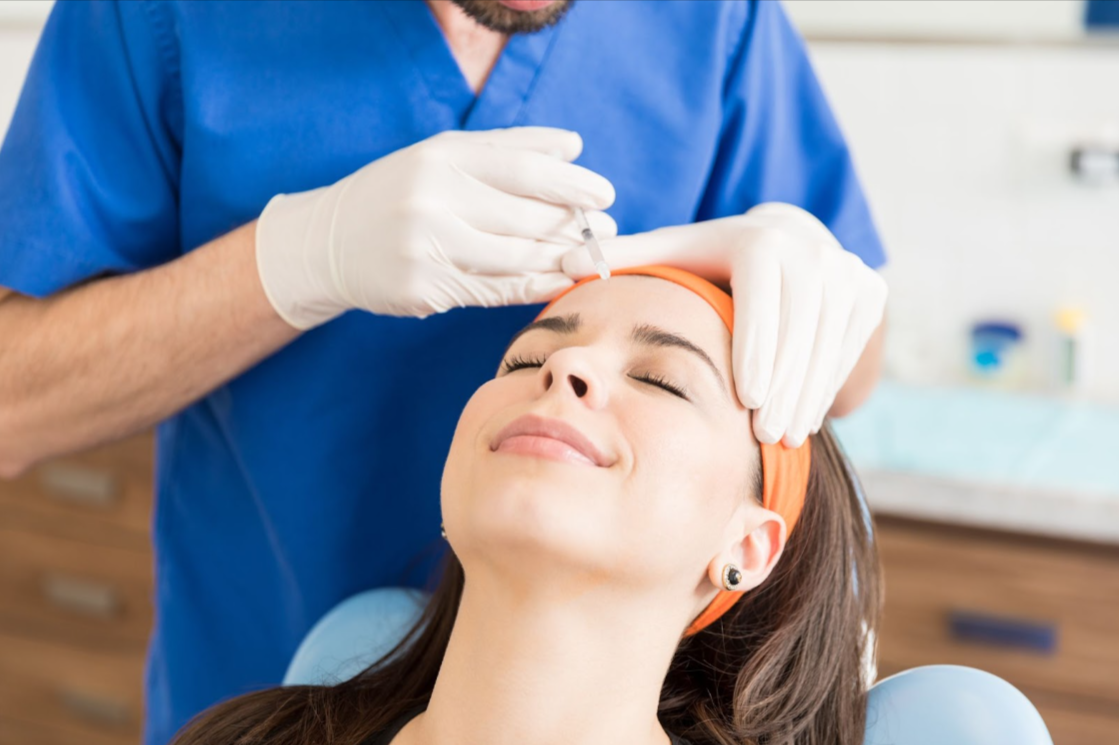
Fine lines, wrinkles, and facial tension often bring people to Botox® treatments, as it smooths skin and helps them feel confident in their appearance. Many clients ask how long their results will last and how often they must return. Understanding that timeline upfront helps you make better decisions about skincare, budget, and long-term aesthetic planning.
What is Botox®?
Botox® is an FDA-approved injectable from botulinum toxin type A, a purified protein that temporarily relaxes targeted muscles. It’s widely used in cosmetic treatments to reduce the appearance of dynamic wrinkles caused by facial movements, such as frowning or squinting. Common treatment areas include the forehead, crow’s feet, and between the eyebrows. Results typically begin to show within a few days and last around three to four months. Botox® is also used medically to treat chronic migraines, jaw tension, and excessive sweating. It’s a safe, controlled treatment when administered by a licensed professional.
How Long Does Botox® Last on Average?
Botox® typically lasts between three and four months after treatment. This timeline can vary depending on your metabolism, facial activity, and the treatment area. Most patients notice full results within seven to 14 days after injection. Those effects gradually fade as the neuromodulator wears off and muscle movement returns to normal. Sometimes, results may last up to five months, especially with regular treatments. First-time users may see shorter duration, while returning patients often enjoy more sustained results.
Why Duration Varies Between Individuals
Several personal factors influence the duration of Botox® results. Age, skin type, and lifestyle habits all play a role. People with faster metabolisms tend to break down the product quickly. Additionally, highly expressive faces can cause results to wear off sooner due to constant muscle activity. Regular users often notice a gradual increase in results as the muscles become less active. Botox® builds cumulative effects over time, so consistency matters.
What to Expect in the First Few Days
Botox® does not work instantly. Most people start seeing changes around day three. The full smoothing effect peaks at about two weeks post-treatment. Mild redness, swelling, or slight tenderness may occur at the injection sites, but these symptoms typically resolve quickly. It’s essential to avoid rubbing the area and refrain from lying down for a few hours after treatment. These precautions help Botox® settle properly for maximum effect.
How Long Does Botox® Last in Each Facial Area?
Botox® treats specific muscle groups, and each reacts differently. The treatment’s longevity varies depending on the thickness and movement of the targeted muscles. Some facial zones retain Botox® longer due to reduced activity or larger muscle mass. Others, such as areas around the eyes, may break it down more quickly. Understanding the average duration by facial zone helps with maintenance planning.
Forehead Lines and Glabellar Area
The forehead and glabellar (between the brows) areas are among the most common Botox® treatment sites. These muscles are highly active, which means results generally last about three to four months. The more expressive the forehead, the faster the product may wear off. Over time, regular injections can help “train” the muscles to relax for extended periods, resulting in more lasting smoothness with fewer touch-ups. Patients usually return for re-treatment every 12 to 16 weeks.
Crow’s Feet and Under-Eye Fine Lines
Crow’s feet appear at the outer corners of the eyes due to smiling and squinting. Since these muscles are thin and constantly moving, Botox® typically lasts about two to three and a half months here. Light doses are used in this area to maintain natural expressions. Smaller doses can mean shorter duration, especially if you’re very expressive. With consistent treatment, muscle memory changes, allowing longer intervals between sessions. This area greatly benefits from expert placement and refined technique.
Lip Lines, Chin Dimples, and Smile Lift
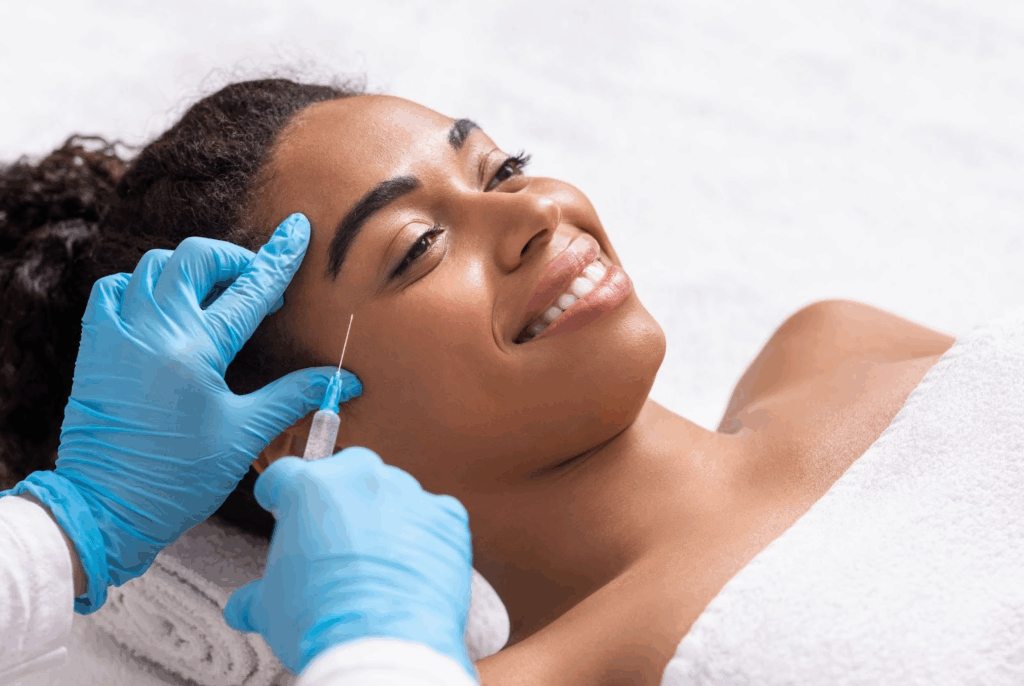
Botox® can also treat smaller, dynamic zones like smoker’s lines, chin dimples, and downward-turned mouth corners. These results usually last around two to three months. The constant movement from eating, talking, and smiling causes the product to wear off faster. However, even a short-term improvement here can significantly impact facial expressions. A skilled injector will use precise micro-doses to avoid overcorrection. Combining Botox® with fillers in these areas can increase longevity and improve symmetry.
Jawline Contouring and Masseter Reduction
Botox® for the masseter muscle (the large muscle used for chewing) serves both cosmetic and therapeutic purposes. It slims the jawline and relieves symptoms of TMJ or clenching. Because this muscle is thicker, Botox® tends to last longer, often four to six months. Some patients can go six months or more between treatments. Aesthetic results include a softer, more oval-shaped face. Therapeutic relief typically appears within two weeks and continues to improve over time.
Neck Bands and Platysmal Lines
The neck area, particularly vertical bands caused by the platysma muscle, responds well to Botox®. Results here usually last about three to four months. As with the face, treatment frequency depends on the strength and activity of the affected muscles. Neck injections often require slightly larger doses for lasting smoothness. When performed correctly, this treatment enhances jawline definition and improves skin tightness. It’s commonly paired with other rejuvenation techniques for the best outcomes.
What Affects How Long Botox® Lasts?
Several external and internal factors influence how long Botox® stays effective. While the product remains consistent, your body’s reaction can vary depending on lifestyle, health, and aftercare. Optimizing these variables can help you get the most out of every treatment.
Metabolism and Physical Activity
Individuals with high metabolic rates often experience a faster fading of Botox® effects. Athletes or individuals in regular high-intensity workouts may process the treatment more quickly. Increased circulation and blood flow can impact how long the toxin stays localized. That doesn’t mean you should stop exercising; you may need more frequent touch-ups to maintain your results. Discuss your activity level with your injector for a personalized schedule. Some patients benefit from slight adjustments in dose or timing.
Sleep, Stress, and Recovery Habits
Chronic stress and poor sleep habits increase muscle tension, especially in the face. This constant movement can counteract the muscle-relaxing effects of Botox®. Cortisol and other stress hormones may also influence how your body metabolizes the product. Prioritizing sleep, hydration, and relaxation can help results last longer. Botox® performs best in a balanced, low-stress environment. Self-care supports not only your mind but also your skin’s longevity.
Skincare, Sun Exposure, and Product Use
Skincare plays a significant role in preserving Botox® results. UV rays break down collagen and can undo the softening effects of treatment. Daily sunscreen use protects both your skin and your investment. Gentle exfoliants, hyaluronic acid serums, and peptide-rich moisturizers can maintain skin health. Harsh chemical peels or aggressive facials too soon after Botox® may interfere with results. Consult your provider before combining treatments.

Technique, Product Freshness, and Dilution
Not all Botox® treatments are equal. Your injector’s skill and precision significantly affect how long results last. Product dilution, freshness, and exact placement matter as much as dosage. Experienced skincare providers use well-preserved, FDA-approved Botox® stored at proper temperatures. They understand facial anatomy and use precise mapping for accurate results. Trusting the right clinic ensures a safer experience and more dependable outcomes.
How Often Should You Get Botox® Injections?
The ideal Botox® schedule depends on how your body responds and aesthetic goals. Most patients return every three to four months to maintain smooth, natural results. Over time, the interval may be extended as muscles adapt. Your provider will adjust your plan based on the treatment area, dosage, and the duration of the results. Avoiding long gaps helps preserve a consistent appearance. Regular maintenance yields more refined and long-lasting results.
Customizing a Botox® Treatment Plan
A tailored schedule ensures optimal outcomes. Your injector evaluates muscle strength, skin texture, and facial movement during your consultation. For first-time clients, appointments every 90 to 120 days help establish baseline results. As muscles respond better to treatment, your provider may stretch the time between sessions. Logging your treatment dates and results can be helpful for long-term planning. Personalized care improves both satisfaction and outcome.
Can Overuse Affect Botox® Performance?
Repeated injections without proper spacing can reduce the effectiveness of the treatment. Muscles may become resistant, or results may appear less natural. Avoid chasing lines with too-frequent treatments. Instead, trust the muscle relaxation process and allow time for each cycle to finish. Your provider will monitor signs of resistance and adjust accordingly. Responsible use helps Botox® work better and longer.
Comparing Botox® to Others Treatments
While Botox® is the most recognized brand, it’s not the only neuromodulator available. Other alternatives offer similar effects with slight variations. Their performance timelines and muscle diffusion rates differ slightly. Understanding these differences can help you find the best fit for your needs. All are FDA-approved and commonly used in U.S. clinics. Discuss your goals and medical history with your injector to determine the best option.
Botox® vs. Dysport®, Xeomin®, and Jeuveau®
Dysport® tends to spread more quickly and may start showing effects in two to three days. However, it may wear off slightly sooner in high-movement areas. Xeomin® contains no accessory proteins, which may benefit those sensitive to additives. Jeuveau®, designed strictly for cosmetic use, delivers a comparable duration to Botox®. Each brand has its loyal following depending on muscle type, budget, and desired onset speed. A side-by-side trial may help determine your ideal product.
Botox® vs. Dermal Fillers
Botox® and dermal fillers serve different purposes. Botox® relaxes dynamic muscles to prevent wrinkles from forming, while fillers restore volume and structure lost through aging. Depending on the product, fillers often last six months to two years. Combining both treatments offers a complete facial rejuvenation strategy. Together, they address movement lines and volume loss for more balanced results.
Know What to Expect First Before Trying Botox®
Understanding how Botox® works and how long it lasts prepares you for better results. Proper planning, consistent care, and collaboration with the right provider can enhance the value of your treatment. Long-term results come from intentional choices and maintenance, not guesswork. Being informed helps you decide when, where, and how often to get treated. This proactive approach supports natural-looking, satisfying outcomes. Confidence starts with knowing what to expect.
Good results fade, but wise choices last. The EdenCare 360 blog offers Botox® insights that help you plan with confidence.