

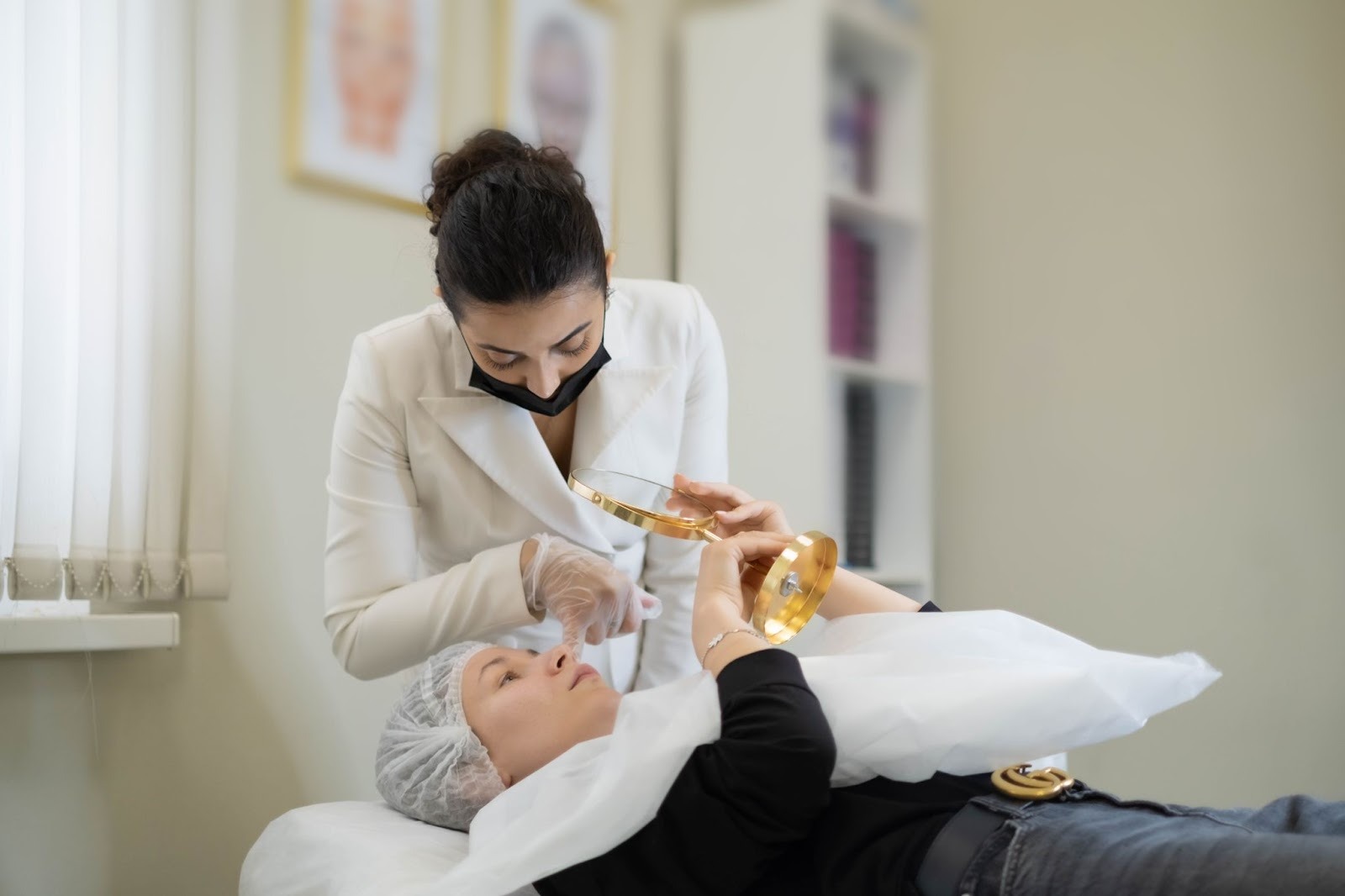
Skin rejuvenation refers to a spectrum of treatments designed to repair, revitalize, and restore youthful qualities to skin that’s undergone wear from sun, time, and lifestyle. Over the years, exposure to UV light, pollution, and internal aging degrade collagen, elastin, and the rate of cellular renewal, resulting in fine lines, laxity, uneven texture, and pigmentation. The goal of skin rejuvenation is to pause or reverse these degenerative changes by triggering the body’s repair mechanisms: stimulating collagen formation, remodeling the extracellular matrix, increasing circulation, and accelerating skin turnover.
Reversing the Effects of Sun Damage With Skin Rejuvenation
One of the first visual signs of aging is the cumulative damage from sunlight—sunspots, blotchiness, and thin fragile skin. Skin rejuvenation techniques, such as lasers, intense pulsed light (IPL), or fractional resurfacing, target pigmented and vascular irregularities by breaking down excess melanin and stimulating new skin growth. The light or heat applied in these treatments triggers controlled injury, prompting remodeling in deeper layers that fade dark spots and strengthen skin tone. As new, healthier cells replace damaged ones, the skin gradually appears more even, vibrant, and youthful. In many cases, these treatments also promote a thicker dermal structure, which enhances resilience to future sun damage.
Why Collagen Stimulation Is Key to Skin Rejuvenation Success
Collagen is the structural protein that gives skin firmness, bounce, and structural support, but its production declines with age. Many skin rejuvenation methods focus on reactivating collagen synthesis in the dermis by creating micro‑injury or heating targeted layers, effectively “waking up” dormant repair pathways. As fibroblasts produce new collagen and elastin fibers, the dermal matrix becomes denser, filling in fine lines and enhancing elasticity. Over time, this progressive remodeling helps lift and firm sagging areas, reduce creases, and make skin more resilient. Because the body’s repair is a gradual process, results unfold over weeks to months rather than instantaneously.
Skin Rejuvenation Options Go Beyond the Surface
There is no single “best” treatment for all concerns—skin rejuvenation is best approached with a toolbox of options suited to different depths and goals. For surface issues such as texture and minor pigmentation, light ablative or non-ablative lasers, as well as superficial chemical peels, can be effective. For deeper concerns—such as moderate wrinkles or scars—fractional lasers, radiofrequency microneedling, or deeper chemical peels are more appropriate. More subtle concerns may respond well to light-based therapies or biostimulation (e.g. microneedling plus growth factors). Combining modalities allows tailored strategies: a light resurfacing for tone, microneedling for texture, and injectables or fillers for volume where needed. The art of skin rejuvenation lies in choosing and sequencing these tools in harmony with the skin’s biology and the patient’s tolerance.
Understanding How Skin Rejuvenation Targets Uneven Tone
Uneven tone—characterized by hyperpigmentation, sun spots, and post-inflammatory marks—is a common aging sign that often draws more attention than texture issues. Many skin rejuvenation therapies are specifically designed to target pigment cells or remove superficial discoloration, such as using selective lasers to target melanin or employing peels that shed pigmented skin. As new, more evenly pigmented skin replaces damaged layers, tone normalizes and contrast softens. Over repeated treatments, the cumulative effect is a more uniform complexion with fewer dark patches or blotches. This is why many people describe rejuvenated skin as “luminous” or “brightened” as well as smoother.
Gentle Skin Rejuvenation Treatments for Sensitive Complexions
Not all skin responds well to aggressive energy-based therapies; some individuals have sensitive, thin, or reactive skin that requires gentler approaches. For skin rejuvenation in sensitive skin, practitioners may opt for more conservative protocols, such as lower energy settings, milder peels, or non-ablative lasers that target the deeper layers while sparing the surface. This slow-and-steady approach reduces downtime, minimizes adverse reactions, and allows the skin to adapt gradually. In many cases, the gentler path still yields impressive long-term results, especially when paired with supportive skincare and stringent sun protection. Ultimately, personalized assessment ensures treatment is both safe and effective, regardless of baseline sensitivity.
Skin Rejuvenation Results Take Time—Here’s What to Expect
After a skin rejuvenation session, some visible changes like mild brightness or smoother texture may appear quickly, but the full effect unfolds over time. Because collagen remodeling, vascular reorganization, and cellular turnover are biological processes, they continue for weeks or even months after treatment. That’s why many practitioners schedule multiple sessions spaced apart—to build cumulative improvement. Results often plateau after the completion of the initial series, and maintenance sessions help preserve gains. Clients should understand that rejuvenation is a process: steady progress over time generally yields more natural, lasting outcomes than a single dramatic procedure.
Combining Lifestyle Habits With Skin Rejuvenation for Lasting Results
No medical or aesthetic procedure can fully reverse the ongoing damage caused by sun exposure, pollution, poor hydration, or inadequate skincare. To magnify the benefits of skin rejuvenation, users must support their skin with consistent habits. Daily broad-spectrum sun protection, antioxidant-rich skincare, proper hydration, a balanced diet, regular sleep, and avoidance of smoking and excessive alcohol consumption are key companions to any treatment. When skin is well-nourished and protected, each rejuvenation session is more effective and safer. In other words, combining skin rejuvenation with a healthy lifestyle forms a holistic strategy rather than competing solutions.
What Happens During a Skin Rejuvenation Session
Each session begins with a comprehensive evaluation, including a skin assessment, medical history, and determination of goals and tolerance. The treatment area is cleansed and sometimes numbed (via topical anesthetic) to maximize comfort. Next, the chosen device or acid is applied in controlled passes, with settings adjusted in real time for safety and effect. Afterward, soothing regimens—such as cooling, moisturizing, and protective serums—are applied to accelerate healing and provide comfort. Patients are guided on aftercare, including gentle cleansing, avoiding sun exposure, using barrier creams, and following all provider instructions. Mild redness, peeling, or temporary tightness is expected, typically resolving within a few days to a week, depending on the depth of the intervention.
The Biological Mechanisms Behind Skin Rejuvenation
At the heart of skin rejuvenation lies the concept of controlled micro-injury, a deliberate stimulus to the body’s natural healing process. That injury triggers inflammation, the release of growth factors (such as TGF-β and PDGF), and the migration of fibroblasts. These cells produce new collagen, elastin, and ground substances, gradually reshaping the dermal matrix and improving structural integrity. Blood vessel remodeling and enhanced circulation help nourish regenerating tissues. This repair process continues over time, reinforcing renewal beyond the visible surface and enabling progressive improvements.
Treatment Planning and Frequency in Skin Rejuvenation
Because skin responds cumulatively, planning a series of spaced treatments yields better results than a single, aggressive procedure. The number of sessions needed depends on the severity of aging signs, the modalities used, and individual healing response—commonly 3 to 6 treatments spaced 4 to 8 weeks apart. Following the initial series, maintenance treatments (typically administered annually or semiannually) help maintain the gains. The provider may adjust intensity or intervals over time, tapering as results stabilize. A thoughtful plan strikes a balance between efficacy, downtime, cost, and patient preferences.
Safety, Risks, and Recovery in Skin Rejuvenation
All interventions carry some risk, though when performed by trained professionals, skin rejuvenation is generally safe. Common side effects include redness, swelling, peeling, or mild discomfort. More serious but rare risks are hyperpigmentation, hypopigmentation, scarring, or infection—especially in inexperienced hands, with inappropriate energy levels, or with inadequate aftercare. Proper screening (skin type, sensitivity, medical history, medications) is vital to safe outcomes. Adherence to post-treatment protocols—such as sun avoidance, gentle care, and barrier protection—minimizes risk and enhances healing.
How to Choose the Right Skin Rejuvenation Path
Choosing the optimal approach involves aligning your skin’s needs, goals, and your tolerance for downtime. Key considerations include the degree of aging or damage, skin type and sensitivity, lifestyle (including work and social commitments), and budget. Ask your provider about their experience, the specific devices they use, and review the before-and-after results. Be sure they offer customized treatment plans rather than “one-size-fits-all” protocols. Don’t shy away from asking about maintenance plans, potential touch-ups, and anticipated timelines for visible improvement.
Long-Term Results and Maintenance in Skin Rejuvenation
One of the greatest benefits of skin rejuvenation is that its effects last longer than many topical treatments or superficial options. Because the underlying dermal structure is improved, skin tends to age more gracefully after treatment. However, aging and environmental stress continue, so ongoing maintenance is essential. Many clients undergo occasional “touch-up” or “refresh” sessions to sustain their results. By combining rejuvenation with solid skincare and lifestyle habits, the benefits can last for years rather than months.
Patient Experience, Expectations, and Mindset in Skin Rejuvenation
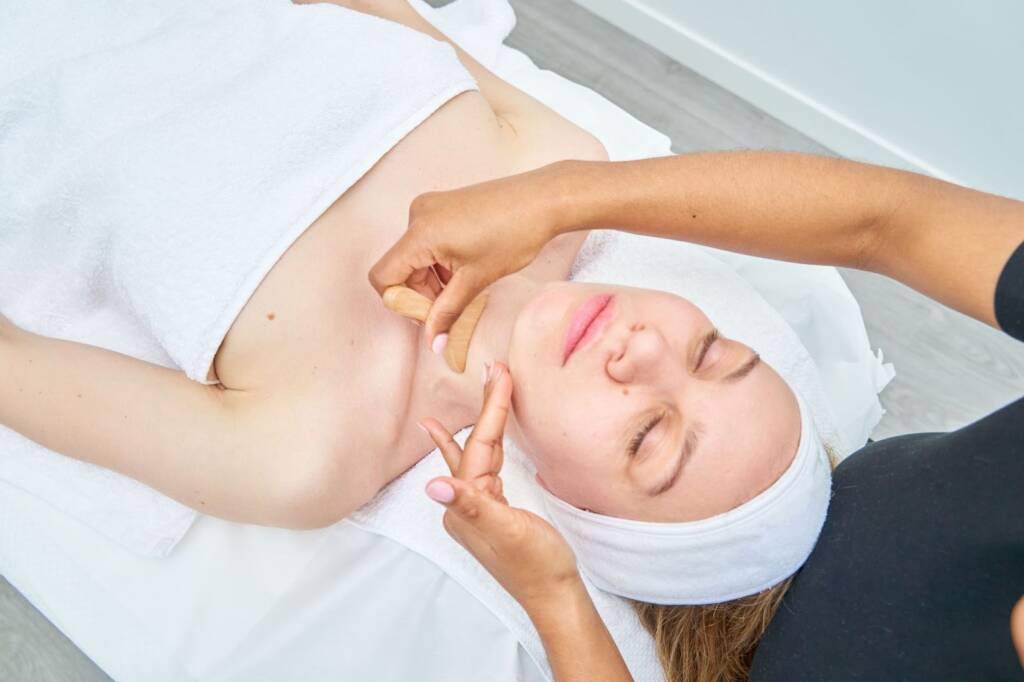
Realistic expectations are key to satisfaction: skin rejuvenation won’t freeze time, but it can significantly reduce the signs of aging and enhance natural vitality. Patients often report smoother texture, fewer lines, brighter tone, and a subtle “refreshed” appearance. Because results evolve over weeks, patience is crucial—improvement accelerates after each treatment as the body continues its natural repair process. Good communication, following post-care instructions, and maintaining healthy habits are just as important as the procedure itself. Viewing skin rejuvenation as a journey rather than an instant fix helps manage expectations and fosters long-term satisfaction.To learn more about how skin rejuvenation treatments work, visit our EdenCare 360 blog.