


Dermal fillers are injectable gels used to restore volume, smooth lines, and enhance facial contours without surgery. When people ask What Are Dermal Fillers?, they’re usually referring to hyaluronic acid (HA) gels and a few other materials that sit beneath the skin to support and shape it. The goal isn’t to change your face, but to refresh it—softening creases, replacing age-related volume loss, and balancing features like the lips or chin. Results appear immediately, require little downtime, and can be subtle or more pronounced depending on your preferences and the product selected.
How Do Dermal Fillers Work and What Are They Made of?
To understand what dermal fillers are in action, think of them as biocompatible scaffolding placed where fullness has depleted. The filler integrates with your tissues, drawing water or stimulating collagen (depending on the formula) to create natural-looking lift and definition.
Hyaluronic Acid Fillers
These gels attract and bind water, creating soft, flexible volume that can be reversed if needed.
Collagen-Stimulating Fillers
Materials like calcium hydroxyapatite or poly-L-lactic acid encourage your skin to produce new collagen over time.
Key Differences Between Dermal Fillers and Botox®
People often confuse injectables, so clarifying the differences between dermal fillers and Botox® helps set expectations. Fillers add or restore volume and contour—think cheek lift, lip shape, or filling etched folds. Botox® (and similar neuromodulators) relax overactive muscles that cause dynamic wrinkles, such as frown lines or crow’s feet. Many treatment plans combine both: relax the movement lines with a neuromodulator and then use filler to replace the structural support that’s been lost. The synergy often looks fresher and more natural than either approach alone.
Where Can You Use Dermal Fillers?
When considering dermal fillers for specific areas, placement and product choice are crucial. Experienced injectors tailor viscosity, lift, and flexibility to the unique demands of each region to maintain expression and harmony.
Lips and Perioral Area
Soft, flexible HA can define borders, add hydration, and smooth vertical lines without stiffness.
Cheeks and Midface
Structured gels restore lift, support under-eye transitions, and subtly refine the profile.
Jawline and Chin
Firmer fillers can sharpen angles, reduce jowling shadows, and balance proportions from the side.
Safety and Side Effects Tips For Dermal Fillers
Every aesthetic procedure has a safety profile, and dermal fillers are no exception. Typical, temporary effects include swelling, redness, tenderness, and bruising at injection sites that typically resolve within days. Technique, anatomy knowledge, and product selection play significant roles in minimizing risks. A medical history review screens for recent dental work, active skin infections, or other factors that might increase complications. Clear pre- and post-care instructions—like avoiding heavy workouts and alcohol for 24 hours—help keep your outcome smooth.
Longevity, Reversibility, and What Are Dermal Fillers? Over Time
A frequent question regarding dermal fillers is how long results last. Duration varies by formula, placement, metabolism, and lifestyle, but most HA fillers last several months to over a year; collagen-stimulators can persist longer as they encourage your own tissue growth.
HA Can Be Dissolved
If you want adjustments, hyaluronidase can safely reduce or remove HA filler.
Maintenance Matters
Smaller, well-timed touch-ups often look more natural than big, infrequent overhauls.
The Consultation Experience For Dermal Fillers
A thoughtful consultation translates dermal fillers into a personalized plan. Your provider will assess facial expressions, skin quality, proportions, and asymmetries at rest and in motion. Photos, lighting, and different angles guide precise decisions about where to add lift or soften transitions. You should discuss preferences—ultra-subtle versus more defined—and lifestyle factors like upcoming events. Expect an explanation of products, anticipated longevity, expected downtime, and total cost over time, not just per-syringe pricing.

Aftercare and Recovery Tips for Dermal Fillers
Most people return to routine activities the same day, which is a prime benefit of dermal fillers. You’ll likely be asked to avoid intense exercise, saunas, and alcohol for 24 hours to minimize swelling and bruising. Sleeping slightly elevated and applying cool compresses can help. Makeup is usually fine after a few hours, provided the injection points are closed. Minor unevenness early on is common as swelling settles; final results are best judged after about two weeks, when tissue integration and water binding have stabilized.
What Are The Risks Associated With Dermal Fillers?
It’s essential to recognize rare but serious complications when exploring what dermal fillers are. Vascular events, delayed inflammatory nodules, or infections are uncommon but require swift recognition and an experienced medical response. Choosing a qualified injector who has emergency protocols and reversal agents on hand is critical. Don’t hesitate to ask how they handle complications; transparency signals professionalism and preparedness.
Vascular Occlusion Red Flags
Severe pain, blanching, cool skin, or unusual color changes after injection require immediate evaluation.
Delayed Reactions
Late-onset swelling or nodules can occur and should be assessed promptly by your provider.
What Are Dermal Fillers As an Investment?
When evaluating dermal fillers, consider value over sticker price. Syringe costs vary by brand, region, and injector expertise, but an elegant, conservative plan usually looks better—and can be more cost-effective—than chasing lines with multiple random syringes. Strategic placement restores structure that makes makeup sit nicer and shadows recede, which can reduce your perceived need for frequent treatments. Ask about projected maintenance over 12–24 months so you can budget realistically and avoid overfilling in a single session.
Who Should Perform Dermal Fillers?
The best outcomes with dermal fillers come from medical professionals trained in facial anatomy, sterile technique, and complication management. Look for clinicians who examine your face dynamically, take detailed histories, and explain product choices. Before-and-after photos should show tasteful, believable improvements—faces that still look like themselves. A skilled injector will sometimes say, “not yet,” or propose skin quality treatments first, because restraint is an essential part of artistry. Trust and communication are as important as technical skill.
How Do Dermal Fillers Fit In With Skin Quality?
Injectables aren’t magic wands; they’re tools. In comprehensive plans that include information on dermal fillers, skin health enhances results. Texture, tone, and elasticity influence how light reflects off the face and how filler reads visually. Sunscreen, retinoids as tolerated, and collagen-supportive skincare can extend the life of your investment. Lifestyle also shows up on your face—hydration, sleep, nutrition, and stress management support longer-lasting, better-looking outcomes.
Smart Pairings
Microneedling, gentle peels, or energy-based treatments can complement filler by improving surface quality.
Daily Habits
Sun protection and consistent skincare preserve collagen and help maintain your refreshed look.
Where Are Dermal Fillers Headed Next
Innovation continues to refine dermal fillers with new rheologies (the flow properties of gels), microdroplet techniques, and cannula use to minimize trauma. There’s a shift toward “skin boosters” and bio-stimulatory approaches that subtly thicken the dermis and enhance luminosity rather than chasing lines alone. The modern aesthetic is less about volume for its own sake and more about structural support, light, and texture—an inside-out refresh.
Precision Over Quantity
Strategic anchoring points lift more naturally than indiscriminate line filling.
Subtlety as a Goal
The best filler looks like great lighting and good sleep—not an obvious procedure.
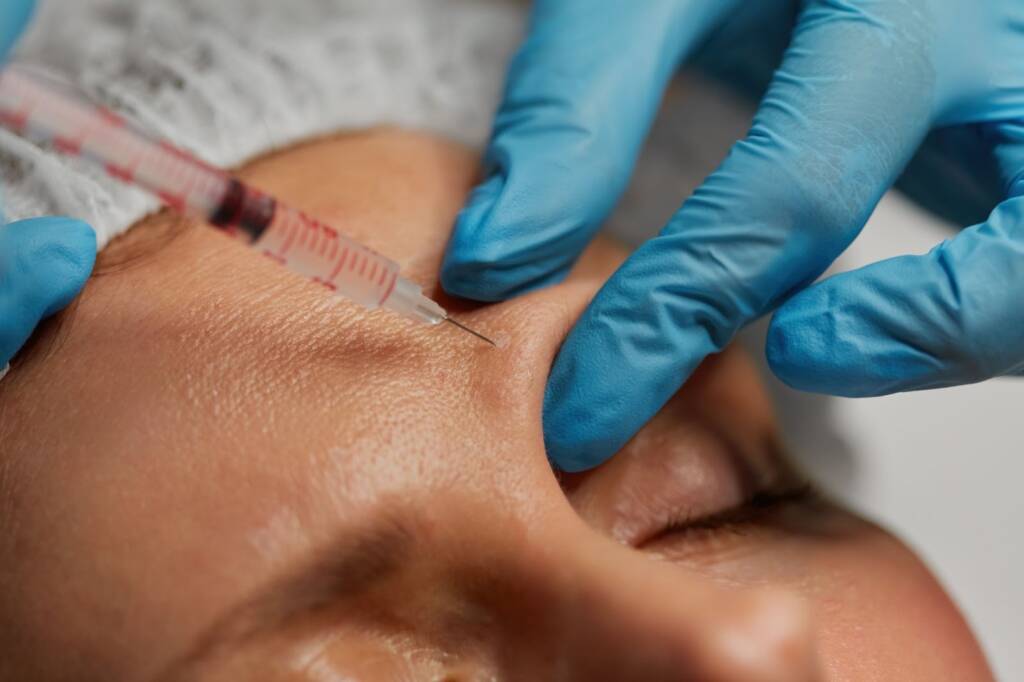
What Are Some Myths and Misconceptions About Dermal Fillers?
One persistent myth about dermal fillers is that they inevitably make you look “done.” In reality, heaviness often stems from overcorrection or poor product choice. Another misconception is that starting filler means you must keep adding more; thoughtful maintenance usually requires smaller amounts and sometimes even spacing treatments farther apart as collagen support improves. And while social media can glorify dramatic lips or chins, balanced outcomes are customized to your unique anatomy, not a template.
How to Make the Most of Dermal Fillers?
A week before treatment, many providers suggest limiting alcohol and discussing medications or supplements that increase bruising risk. Come with clean skin and clear priorities: bring reference photos of your face at a younger age rather than celebrity shots, which helps target authentic restoration. Clarify event timelines—weddings, photoshoots, or travel—so your injector can stage sessions appropriately. Ask about product names, expected longevity, and how touch-ups are planned; this makes you an informed collaborator.
What Are Sustaining Results From Dermal Fillers?
The most satisfying experiences with dermal fillers come from pacing. Treating in layers, allowing tissue to settle, and reassessing in good lighting creates a natural evolution rather than dramatic swings. As your face changes with time, maintenance may shift from large volumization to finesse—subtle balancing of temples, chin, or jaw to keep contours crisp. Periodic reviews help prevent drift, maintain proportion, and ensure your results continue to match your taste.
What Are Dermal Fillers For You?
Ultimately, dermal fillers are versatile, customizable tools that, in skilled hands, refresh features while honoring your natural anatomy. They can restore the lift of youth, soften harsh transitions, and nudge light back onto the high points of your face—all with minimal downtime. Safety and artistry matter as much as the product: choose a qualified medical professional who communicates clearly, plans holistically, and prioritizes proportion over volume. With the right approach, fillers can help you look like yourself—just well-rested, balanced, and quietly confident.
Check out our EdenCare 360 blog to learn more about dermal fillers and other treatments to enhance your appearance and improve your skin health.